

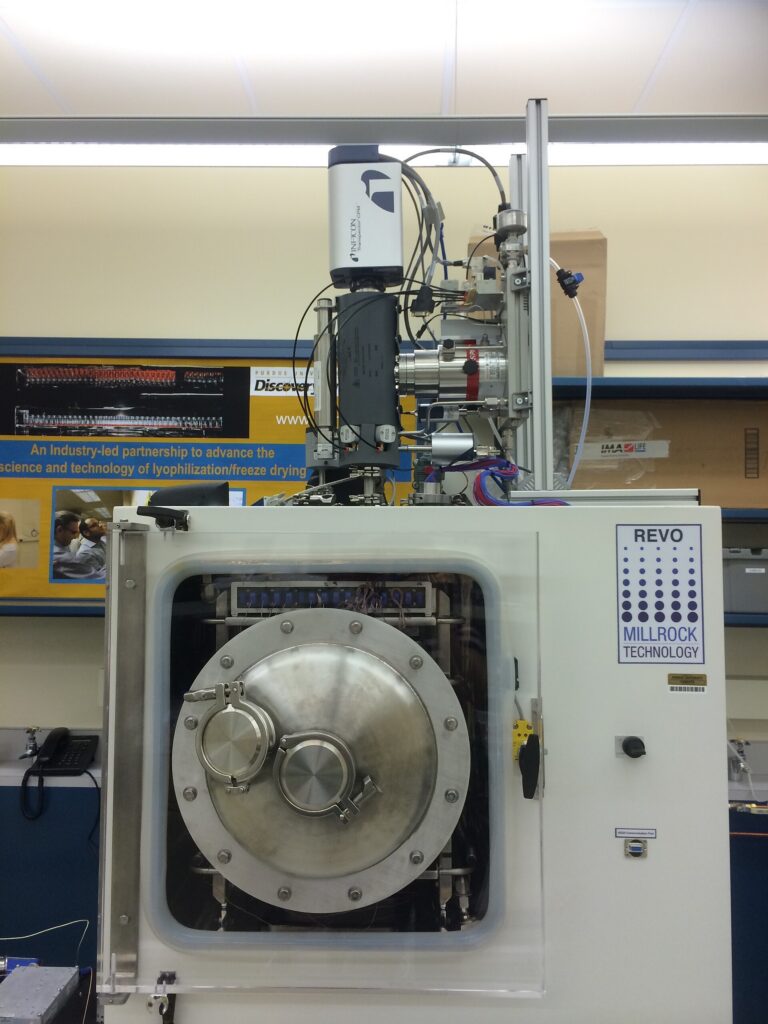
Most research peptides arrive as a lyophilized (freeze-dried) powder, and in that state they are remarkably durable. Most of the degradation that ruins experiments happens later: at the moment the vial is opened, during reconstitution, or in the weeks a solution sits in a refrigerator. This guide covers how to store peptides at each stage, which failure modes matter for which sequences, and the few habits that prevent nearly all of them.
Why Lyophilized Peptides Are Stable
Lyophilization removes water by freezing the solution and subliming the ice under vacuum. Without water, the chemical reactions that break peptides down (hydrolysis, deamidation, racemization) slow to a near standstill, and microbes cannot grow. A lyophilized peptide stored cold, dry, and dark can keep its purity for years. The powder’s main enemies are moisture, which restarts the chemistry, and for some sequences oxygen and light.
Storing the Unopened Vial
Temperature. For storage longer than a few weeks, −20 °C is the standard recommendation; −80 °C is better for very long-term archiving but rarely necessary. For short-term holding (days to a few weeks), 2–8 °C in a refrigerator is adequate. Avoid repeated temperature cycling; a vial that is taken in and out of the freezer repeatedly will accumulate condensation inside the stopper.
Moisture. Keep vials in a sealed container with a desiccant packet. Do not store them in a frost-free freezer’s door, which cycles warm during defrost.
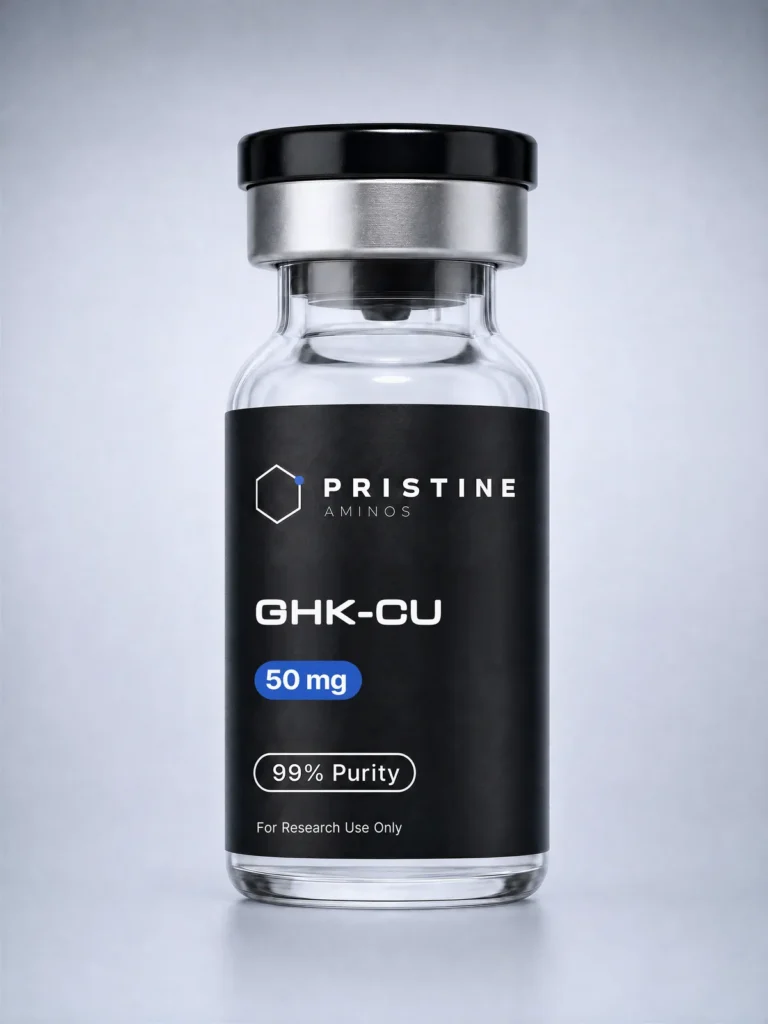
Light. Amber vials or an opaque box. Tryptophan, tyrosine, and methionine residues are photosensitive, and copper-complexed peptides such as GHK-Cu are redox-active.
The Moment of Opening
This is the single most common point of failure. A vial taken straight from the freezer and opened in room air will draw condensation onto the cold powder, and that water begins hydrolysis and clumping immediately. Let the vial reach room temperature before removing the cap or piercing the stopper, which takes 15–30 minutes. If you are not using the whole vial, do not open the stopper; draw through it with a sterile needle so the remaining powder stays sealed.
Storing Reconstituted Solutions
Once dissolved, a peptide is in a far more fragile state. Three things change.
Chemistry restarts. Asparagine and glutamine residues can deamidate; aspartate–glycine and asparagine–glycine pairs can isomerize; methionine and cysteine can oxidize. All of these create impurities that co-elute near the main peak and change the molecule’s behavior. Refrigeration (2–8 °C) slows them; freezing stops them but introduces freeze–thaw stress.
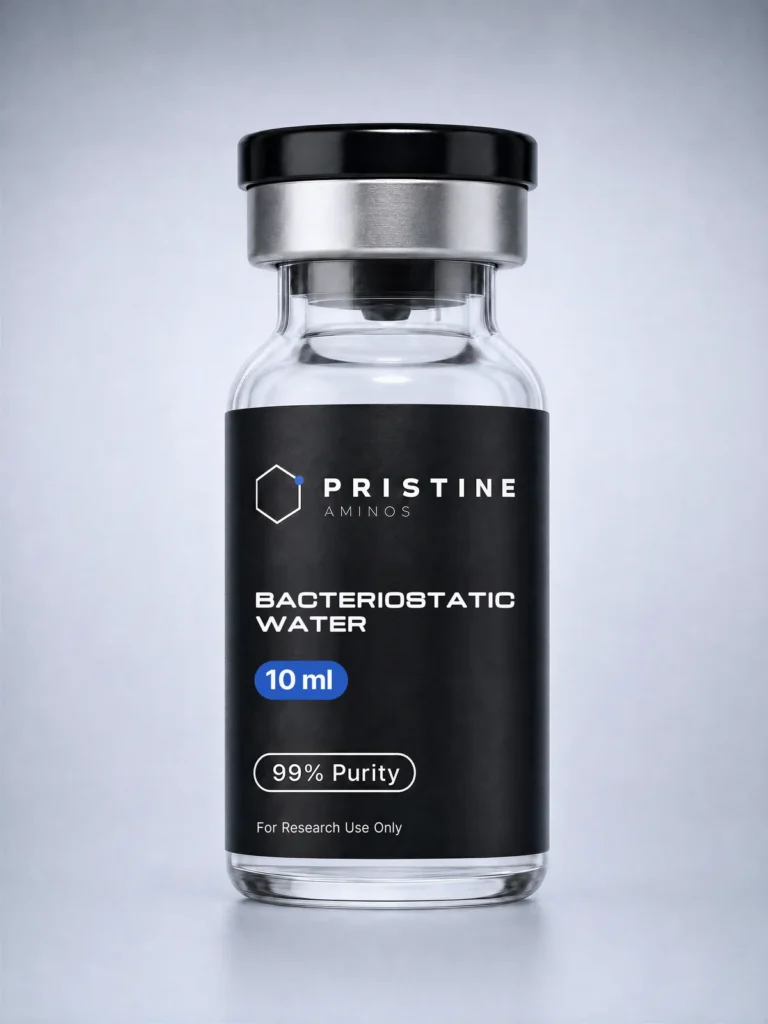
Microbial growth becomes possible. This is why bacteriostatic water, which contains 0.9% benzyl alcohol, is the standard diluent for solutions that will be used over several weeks. Plain sterile water is appropriate only for solutions used the same day.
Adsorption and aggregation. Dilute peptide solutions lose material to the walls of glass and plastic containers; concentrated solutions of hydrophobic or acylated peptides (such as the long-acting GLP-1 class compounds) can aggregate. Low-binding tubes and moderate concentrations help.
Practical rules: refrigerate reconstituted vials, protect them from light, record the reconstitution date on the label, and plan to use the solution within about four weeks. If you must keep a solution longer, divide it into single-use aliquots and freeze them once; never refreeze a thawed aliquot.
Sequence-Specific Notes
Not every peptide has every vulnerability. A quick way to anticipate problems is to look at the sequence on the Certificate of Analysis.
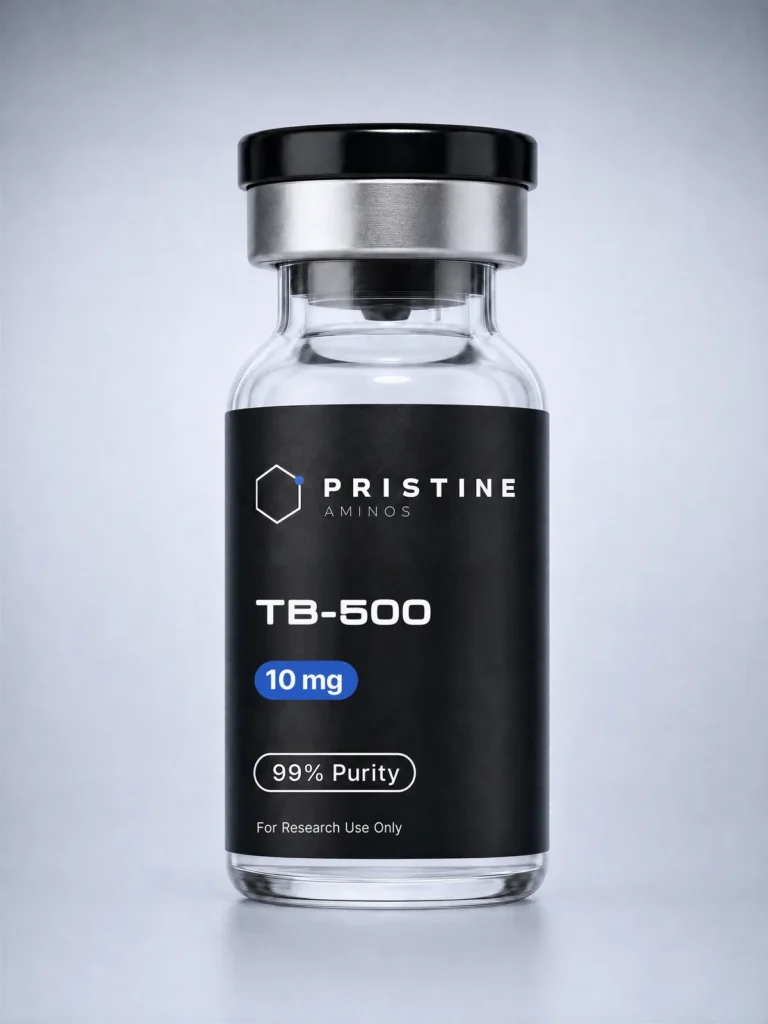
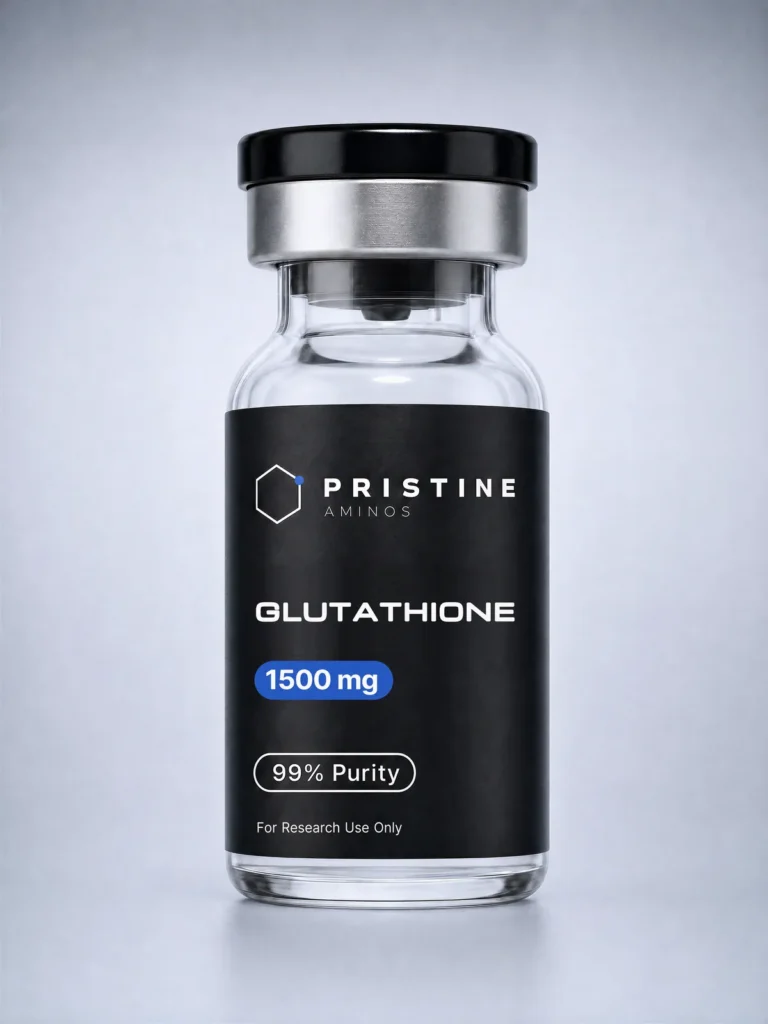
- Methionine (M) or cysteine (C): oxidation-prone. Minimize air exposure; consider degassed diluent for sensitive work. Full-length TB-500 and glutathione fall here.
- Tryptophan (W): light-sensitive. Amber vials.
- Asn-Gly or Asp-Gly pairs: isomerization in solution; use fresh preparations for quantitative work. BPC-157 has an Asp-Asp-Ala-Gly region worth noting.
- Metal complexes: keep away from phosphate and chelating buffers (GHK-Cu).
- Acylated or long sequences: aggregation and surface adsorption; low-binding plastics.
Our article on why peptides degrade goes into the chemistry behind each of these.
A Simple Storage Protocol
- On receipt, check the Certificate of Analysis and log the lot number and date.
- Store unopened vials at −20 °C in a sealed, desiccated, opaque container.
- Before use, warm the vial to room temperature for 15–30 minutes, unopened.
- Reconstitute with bacteriostatic water, added slowly down the vial wall; swirl, do not shake (see Reconstitution Basics).
- Label with concentration and date; refrigerate; protect from light.
- Use within four weeks, or aliquot and freeze once.
Summary
Lyophilized peptides are stable; solutions are not. Almost all storage-related failures trace to condensation on a cold vial, a diluent that cannot suppress microbial growth, or a solution kept too long. Control those three and the Certificate of Analysis purity you paid for is the purity you will work with.
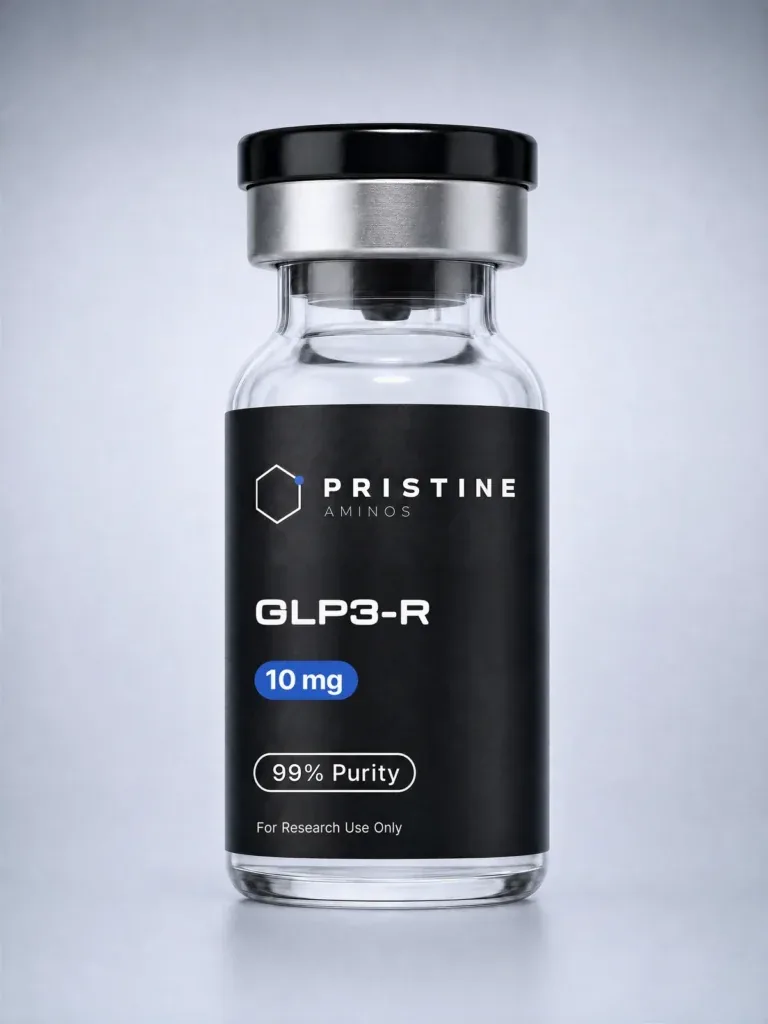
Pristine Aminos ships every peptide lyophilized and third-party tested; see our Lab Supplies for bacteriostatic water.
For laboratory and research use only. Not for human or veterinary use, consumption, or therapeutic application.