

GHK-Cu is a three-amino-acid peptide bound to a copper ion, and it has one of the longest continuous research histories of any compound in the peptide catalog: it was first described in human plasma in 1973 and has been studied without interruption since. This article explains what the molecule is, why the copper matters, what the research record covers, and how laboratories should handle a metal-complexed peptide.
The Molecule
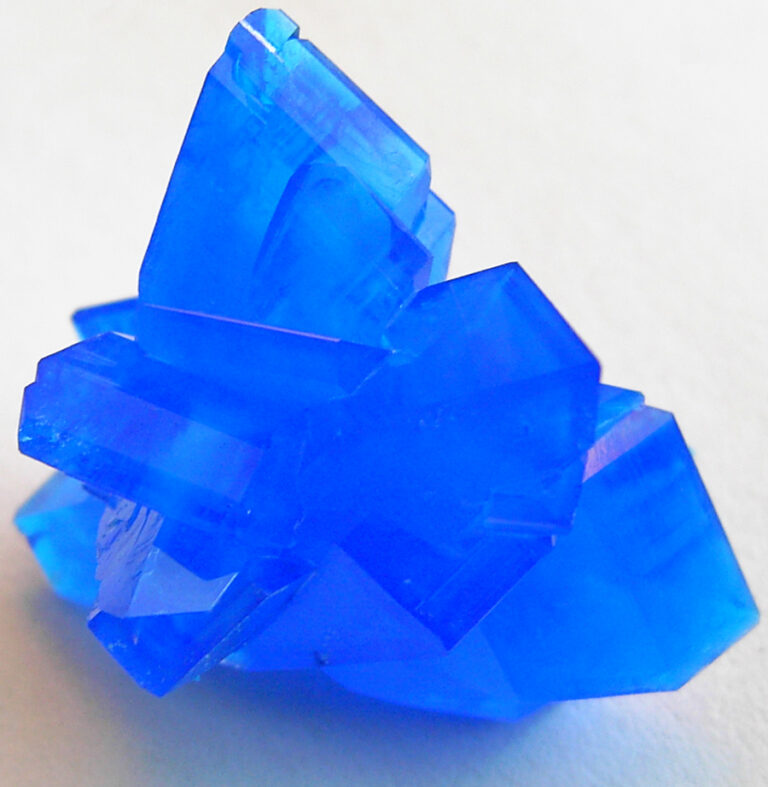
GHK is the tripeptide glycyl-L-histidyl-L-lysine. In the body it circulates in plasma and is released from proteins such as collagen and SPARC when tissue is damaged, which is part of why it has been described as a signal of injury. The histidine side chain and the N-terminal amine give it a strong affinity for copper(II); the complex, GHK-Cu, is what is studied in most experiments and what is supplied as research material. It has a distinctive blue-violet color in solution, which is a convenient visual check that the copper is present.
Plasma levels of GHK fall sharply with age, from roughly 200 ng/mL in young adults to around 80 ng/mL by the seventh decade. That decline is one of the reasons the peptide appears in aging-related research.
Why the Copper Matters
Copper is a cofactor for enzymes central to connective tissue, including lysyl oxidase, which cross-links collagen and elastin, and superoxide dismutase, part of the cell’s antioxidant defense. GHK’s job appears to be delivering copper to cells in a controlled, non-toxic way: free copper ions are reactive and damaging, but complexed to GHK the metal can be taken up and used. Several experimental effects of GHK-Cu are lost when the copper is removed, which indicates the complex, not the bare peptide, is the active species in those assays.
Research Themes
Wound repair and connective tissue
The largest body of work uses fibroblast culture and animal wound models. Reported effects include increased synthesis of collagen, elastin, glycosaminoglycans, and decorin; modulation of matrix metalloproteinases and their inhibitors (TIMPs), which together govern how tissue is remodeled; and attraction of immune and repair cells to the wound site. Animal studies cover skin, bone, and gastrointestinal lining.
Skin biology
GHK-Cu is widely used in cosmetic-science research, where endpoints include dermal thickness, collagen density, and markers of photodamage in skin models. We cover this in more depth in GHK-Cu in skin research.
Gene expression
A distinctive line of research, published in the 2010s, compared the gene-expression signature of GHK-treated cells against large public databases. The authors reported that the peptide shifted expression of a substantial fraction of human genes, with patterns that opposed signatures associated with tissue destruction and inflammation. These are computational and in-vitro findings and should be read as hypothesis-generating, but they explain why GHK-Cu appears in such a wide range of research contexts.
Lung and nerve models
Smaller literatures describe GHK-Cu in models of lung tissue injury, where it is studied for its effect on collagen organization, and in nerve-regeneration models, where the endpoint is growth of neural processes in culture.
Handling a Copper Peptide in the Laboratory
GHK-Cu requires more care than a plain peptide in three respects.
Buffer compatibility. Phosphate buffers and chelating agents such as EDTA will compete for the copper and can strip it from the peptide. Use water, saline, or non-chelating buffers for stock solutions and introduce other components only at the final step.
Oxidation and light. Copper is redox-active, and solutions should be protected from light and prolonged air exposure. A change from blue-violet toward green or brown indicates the complex is degrading.
Characterization. A Certificate of Analysis for GHK-Cu should confirm the peptide by mass spectrometry (GHK has a monoisotopic mass of about 340.2 Da; the copper complex shows a characteristic shift) and report HPLC purity. Copper content itself is usually inferred rather than assayed on routine COAs; if your experiment depends on stoichiometry, consider an independent metal assay. Our guides to reading a COA and storage apply, with the buffer caveat above.
Lyophilized GHK-Cu is stable for long periods when stored cold and dry. Reconstituted solutions in bacteriostatic water should be refrigerated and used within a few weeks.
GHK-Cu in Combination Research
Because its proposed role is remodeling and signaling rather than direct cell migration or angiogenesis, GHK-Cu is often combined with BPC-157 and TB-500 in tissue models. Those three form the GLOW blend; adding the anti-inflammatory tripeptide KPV gives KLOW. See KLOW vs GLOW for how the two differ.
Summary
GHK-Cu is a small, well-characterized molecule with a five-decade research record centered on connective tissue, wound repair, and gene expression. The copper complex is the active form in most assays, which makes buffer choice and storage conditions more important than for a typical peptide. For laboratories, it is a mature tool compound with clear handling rules.
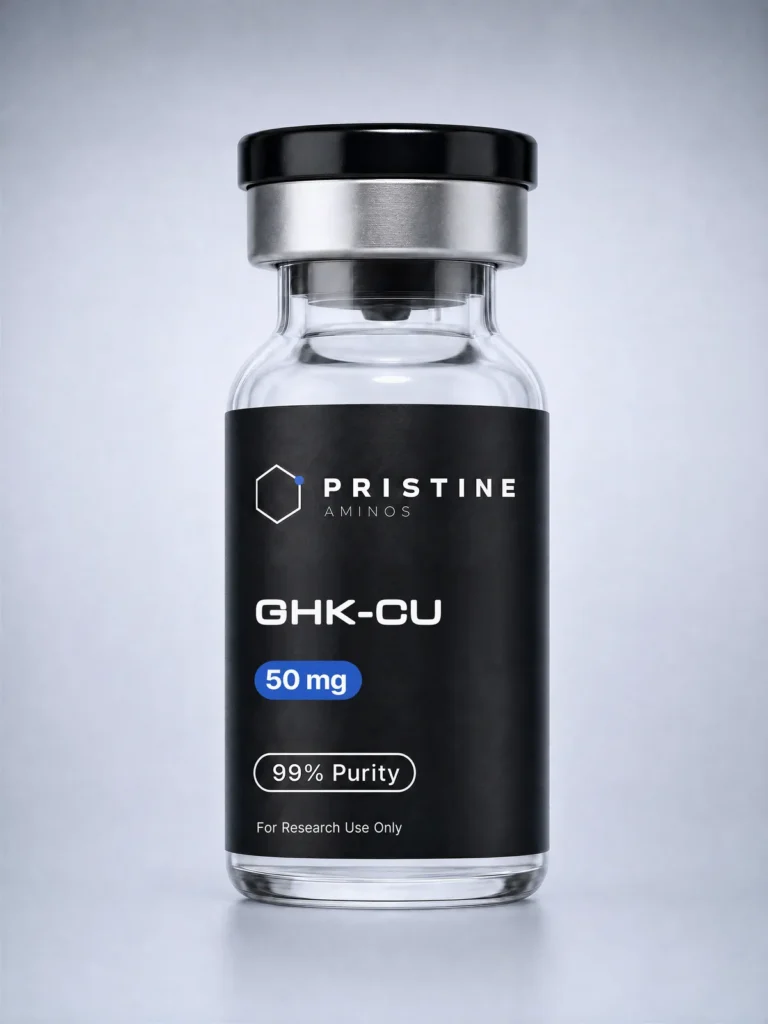
Pristine Aminos supplies GHK-Cu as a lyophilized, third-party-tested research material in our Cellular & Mitochondrial Research collection.
For laboratory and research use only. Not for human or veterinary use, consumption, or therapeutic application.