πŸ”₯ 40% OFF SITEWIDE β€” Discount Already Applied Free Shipping on Orders Over $200 Third-Party Tested · 99%+ Purity Guaranteed Shop the Sale → πŸ”₯ 40% OFF SITEWIDE β€” Discount Already Applied Free Shipping on Orders Over $200 Third-Party Tested · 99%+ Purity Guaranteed Shop the Sale → πŸ”₯ 40% OFF SITEWIDE β€” Discount Already Applied Free Shipping on Orders Over $200 Third-Party Tested · 99%+ Purity Guaranteed Shop the Sale → πŸ”₯ 40% OFF SITEWIDE β€” Discount Already Applied Free Shipping on Orders Over $200 Third-Party Tested · 99%+ Purity Guaranteed Shop the Sale →
Quality

Understanding Peptide Purity: Why 99%+ Matters in Research

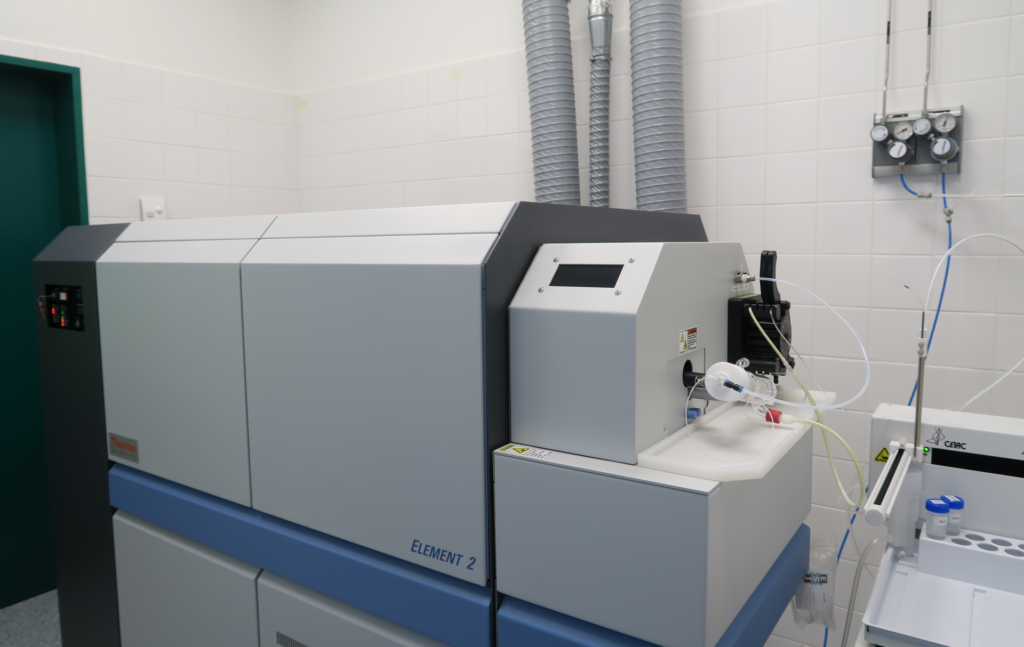
High-Performance Liquid Chromatography (HPLC) system for peptide purity analysis and identity confirmation.
Image: Šárka Na kopci / Wikimedia Commons (CC BY-SA 4.0)

In peptide research, purity is everything. The percentage reported on a Certificate of Analysis reflects how much of a vial’s contents is the intended peptide versus residual solvents, truncated sequences, or other byproducts of synthesis. Even small impurities can introduce variables that confound experimental results.

A purity level of 99% or higher is the benchmark for serious research because it minimizes those variables, allowing observed effects to be attributed to the target compound rather than contaminants. Purity is typically measured by High-Performance Liquid Chromatography (HPLC), which separates the components of a sample and quantifies each one.

When evaluating a research peptide, look beyond the label: a verifiable HPLC report plus mass-spectrometry identity confirmation provide the evidence behind the number. Every Pristine Aminos lot is third-party tested to confirm both identity and ≥99% purity before release.

For laboratory and research use only. Not for human or veterinary use, consumption, or therapeutic application.

Research use only. The compounds discussed on this blog are intended for in-vitro laboratory research. Nothing here is medical advice, and none of these materials are for human or veterinary use.

Keep Reading

Analytical instruments and technicians in a modern quality-control laboratory
August 28, 2026

What Does 99% Purity Actually Mean? HPLC Testing Explained

Read →
Laboratory analysts reviewing and processing samples at a workstation
August 21, 2026

How to Read a Certificate of Analysis (COA) for Research Peptides

Read →
Liquid chromatograph mass spectrometer (LC-qTOF) in an analytical chemistry laboratory
June 13, 2026

What a Certificate of Analysis (COA) Actually Tells You

Read →

← All Articles

Stay Ahead of the Research

Get updates on new peptides, purity reports, and research insights.